Both were true.
Have you ever hit your goal and still felt like you failed? That was our Kickstarter.
That messy middle, where what the numbers say and what people feel haven’t met yet, is where I do my best work.
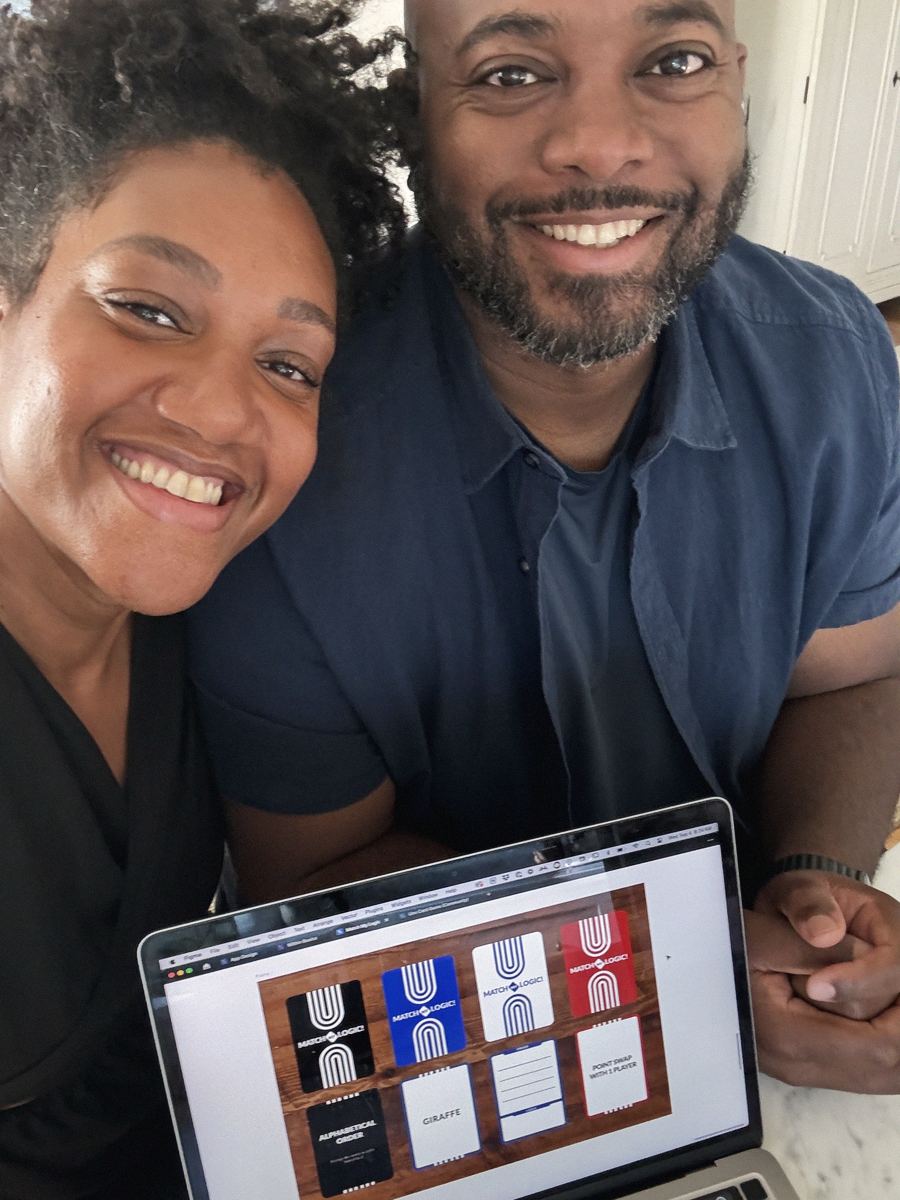
My husband and I have spent the last two and a half years making things and putting them out into the world. Now I know both sides of the numbers: what they say, and what people feel.
Every project has two layers. Switch any card to bring the one underneath into focus.
As the research leader on Zillow’s information architecture work, I oversaw a year of surveys, usability studies and interviews that reshaped the app, including a new Home Loans tab. Our stakeholders were the CEO and senior leadership.
For people who weren’t moving, buying or selling yet, we built archetypes to understand what they might need that doesn’t exist yet, and what would bring them back.
When nobody knew what AI meant for Zillow yet, I got pulled in to lead a squad of seven to find out. Four months of foundational research, and a proposal for an experience that stays human first while AI assists.
I managed a team of qualitative, quantitative and mixed methods researchers focused on how people discover, join and engage with communities on Facebook.
At Salesforce I built the research practice from the ground up. On Dreamforce, the business thought it knew what attendees wanted. We staffed the work in a week and shipped in two months.
Nonprofits, my own company, consulting, then research leadership. Every role was about understanding people well enough to help them.
What building a physical product with my husband taught me about the people on the other side of a marketplace.
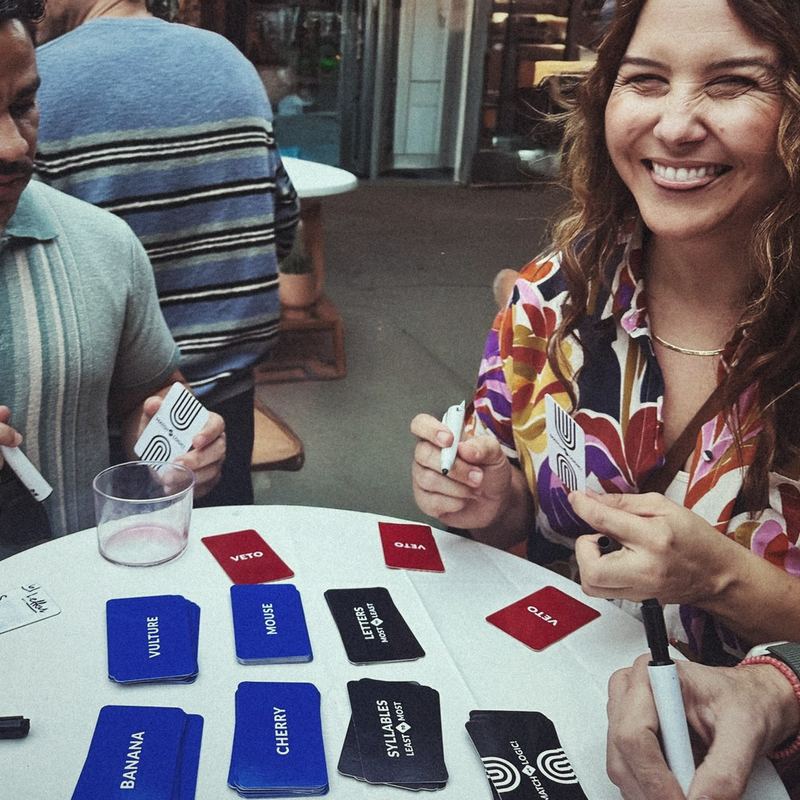
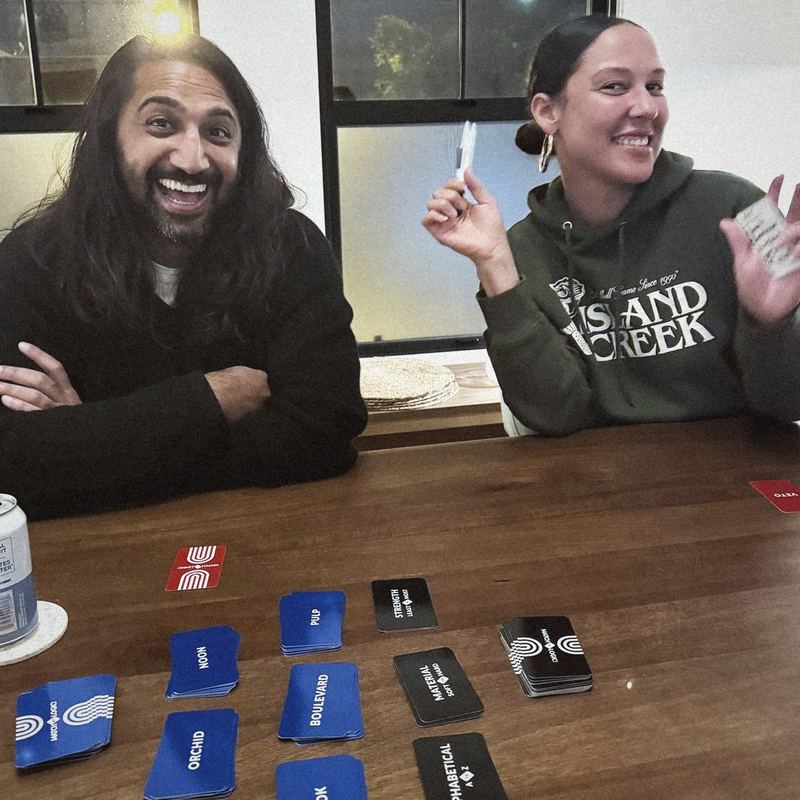
It started on the couch. My husband and I were watching TV and chit-chatting, and we stumbled our way into a game. The next day we designed the cards and had them printed as business cards, just so we could start playing.
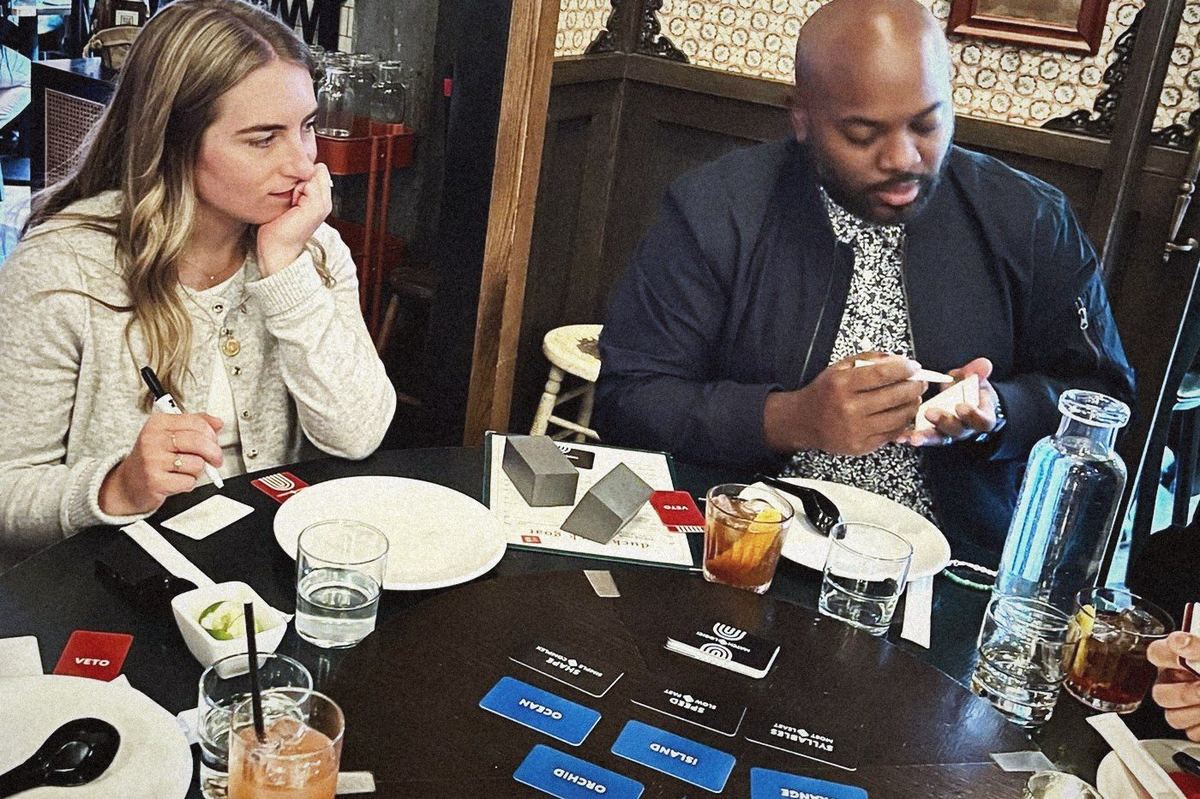
I did what researchers do. I watched. Players started calling out “locked in” when they committed to an answer. When every guesser matched the setter exactly, we called it perfect logic. Watching people play showed us the magic was in the simplicity.
Then came everything I’d never done before: manufacturing, freight, pricing, packaging, tariffs. That holiday season an order came in from a complete stranger on the other side of the country. I’ll never forget that feeling.


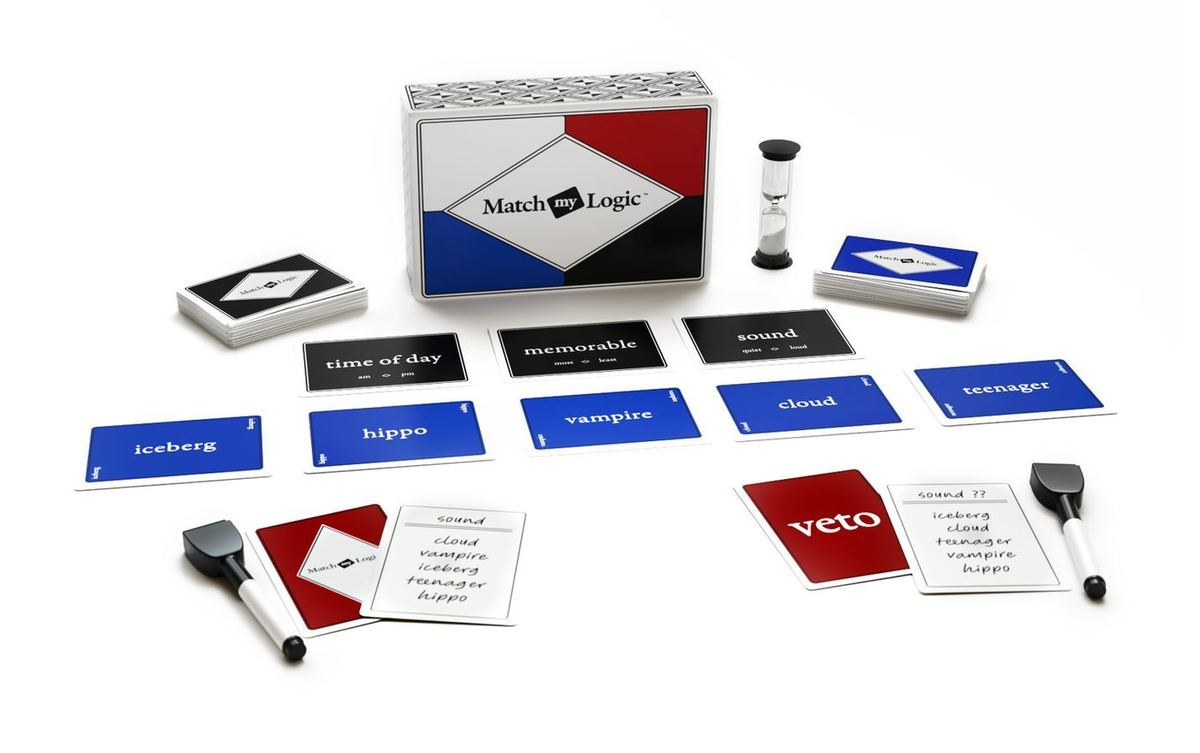
In our game, one player sorts the cards by their own logic and everyone else tries to match it. Is a vampire louder than a teenager? It depends who you ask.
When everyone matches the setter exactly, that’s perfect logic. It rarely happens, and that’s the point. The game is really about seeing how someone else thinks.
And a business should be rewarded for solving them, not for creating them. When I stepped away from corporate, that’s what I set out to build.
With my husband Jason, under our studio, Love From Los Feliz. Each one started with what people actually need, and each one is about being seen.

Research is a synthesis: pieces examined one by one, then brought together into something a team can act on.
Every project holds a business problem, a customer problem and a team problem. I keep all three in the room.
The method behind the research practice I built from the ground up at Salesforce.
AI can help gather, sort and draft. People frame the question and decide what it means.
Research works when the people who’ll act on it help make it. At Salesforce: four work sessions, six teams, four time zones.
That’s what I want for every person on my team.
One of my researchers has followed me to three companies. At Zillow she brought quant rigor to a team that had little of it. At Salesforce I built the practice from the ground up: three mixed methods researchers, two strategists and three design operations program managers.
Something I’ve told my teams.